
Synthesis and characterization of modified cellulose acetate ultrafiltration membranes prepared from CA/PVP/Additives/solvent used for water treatment applications
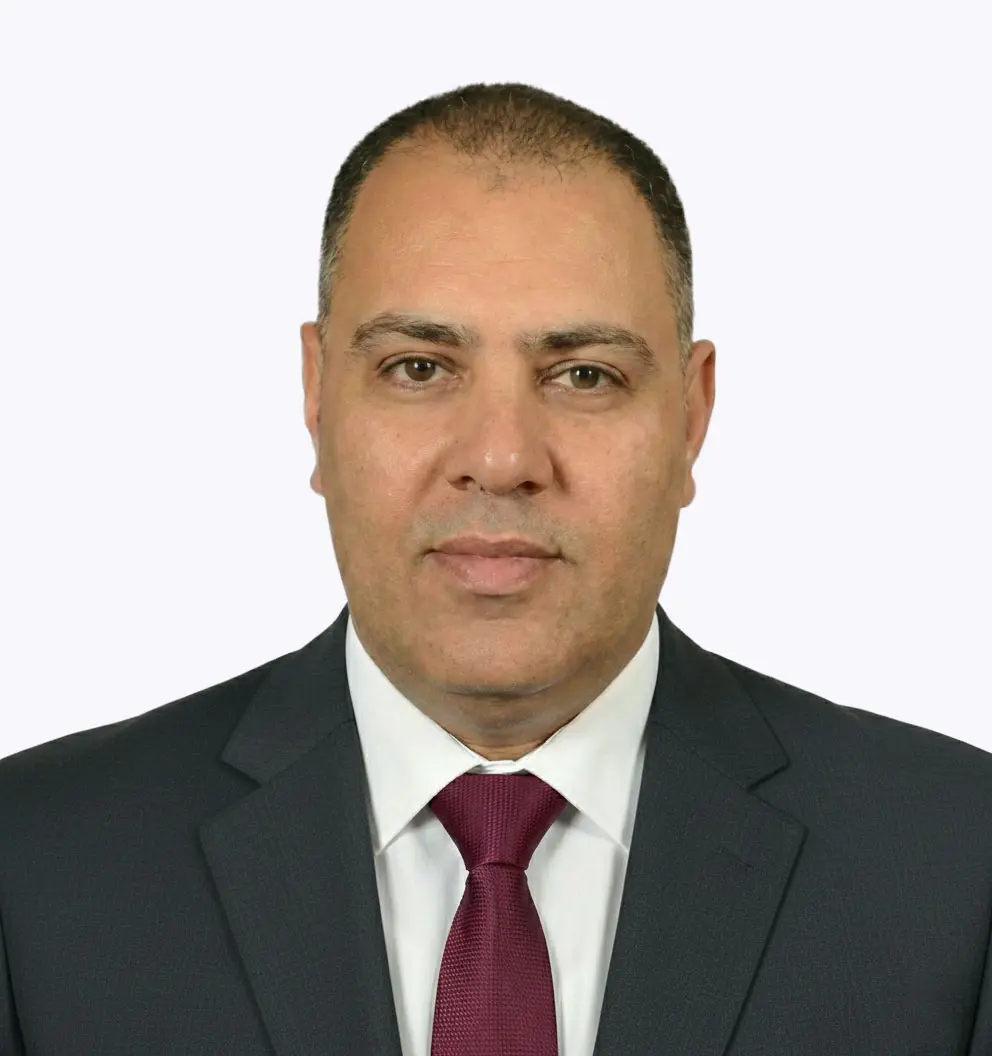
Dr. Chemist. Hossam Ahmed Aly Moustafa Tieama
Dr. Hossam Ahmed Tieama studied Chemistry at Faculty of Science, Alexandria University, Egypt and graduated in 2000. He joined up with the research group of Polymer Chemistry. He obtained his Master and PhD degrees in the field of water and waste water treatment applications using immobilization and modified membranes techniques. He is currently employed as a utilities general manager at Abu Qir Fertilizers company, and he has got 23 years of experience in the field of water treatment. He has participated in many international conferences and presented many researches in water purification applications using modified membranes. He has published in several international journals like Appl Biochem Biotechnol, Frontiers in Chemistry, Chemical and Biomolecular Engineering and American Journal of Applied Chemistry on immobilization for waste water treatment and membranes modification techniques for water purification. He started publishing research since 2010 and continuing his research activity at the city of scientific research and technology applications.
Abstract
The main objective of this work is to achieve a high performance membrane with respect to flux and rejection characteristics, with good hydrophilicity and mechanical properties by blending the main polymer cellulose acetate with polymers having desired qualities. The cellulose acetate CA blending with PVP as candidate materials in the presence of ethylene glycol, Acetonitrile, glycerol, poly ethylene glycol, or di ethylene glycol as a pore forming agents (additives), and (Acetone / ethanol) as a solvent. Modified cellulose acetate membranes for ultrafiltration processes prepared by solvent evaporation technique. It was found that using PVP with any of these different additives can increase the membrane porosity, wettability and enhance the permeation flux by changing the membrane morphology. The average permeation flux of MCA was 742 L/D/M2 at TMP 0.3 MPa and ion exchange capacity (IEC) for MCA membrane was 2.7 meq /gm, with water uptake 24 % at 20 °C. The changes in chemical structure for MCA membranes were characterized by FTIR and The membrane structure of CA and MCA including external surface, internal surface and cross section were characterized by scanning electron microscopy (SEM).
