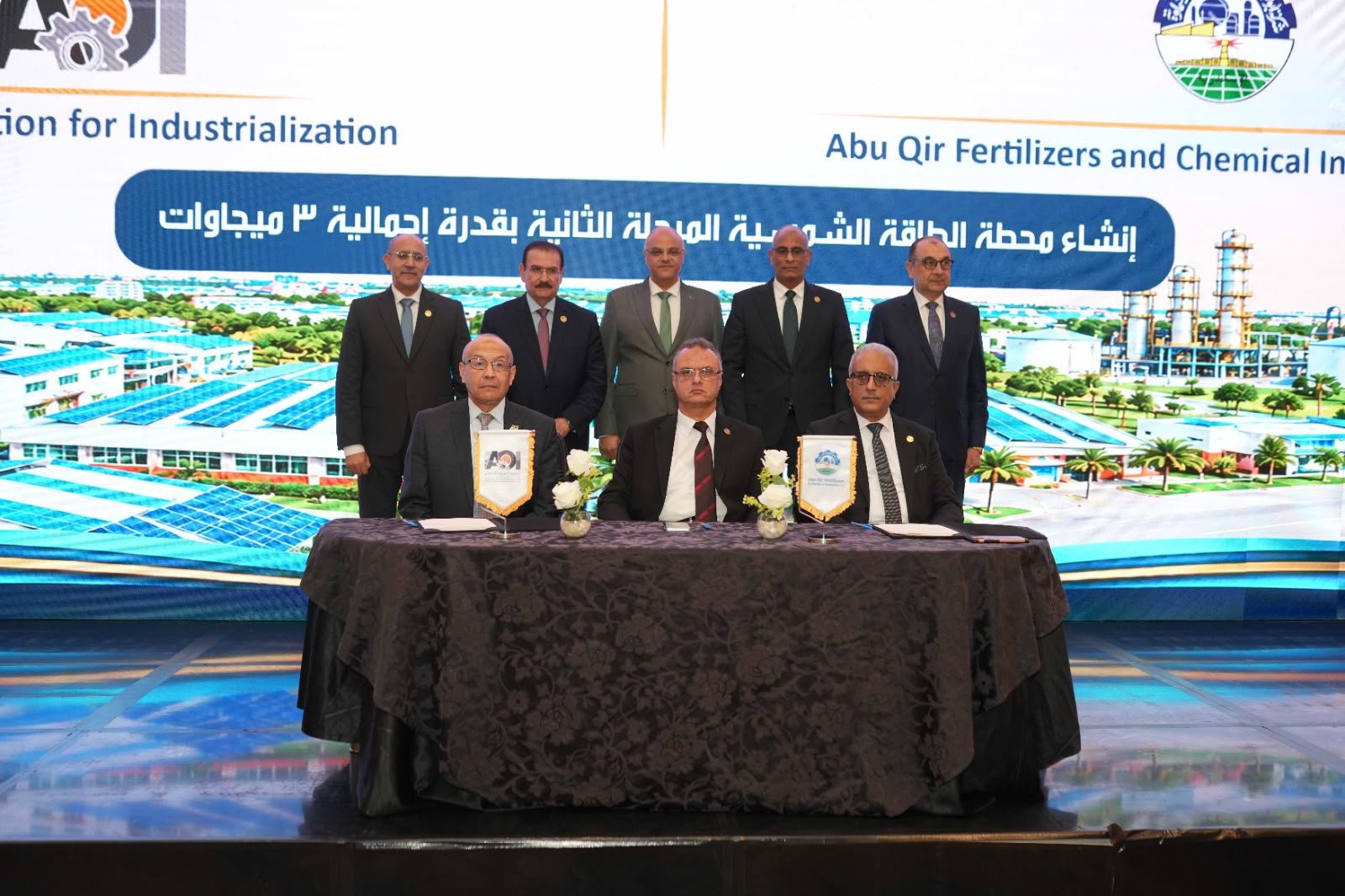
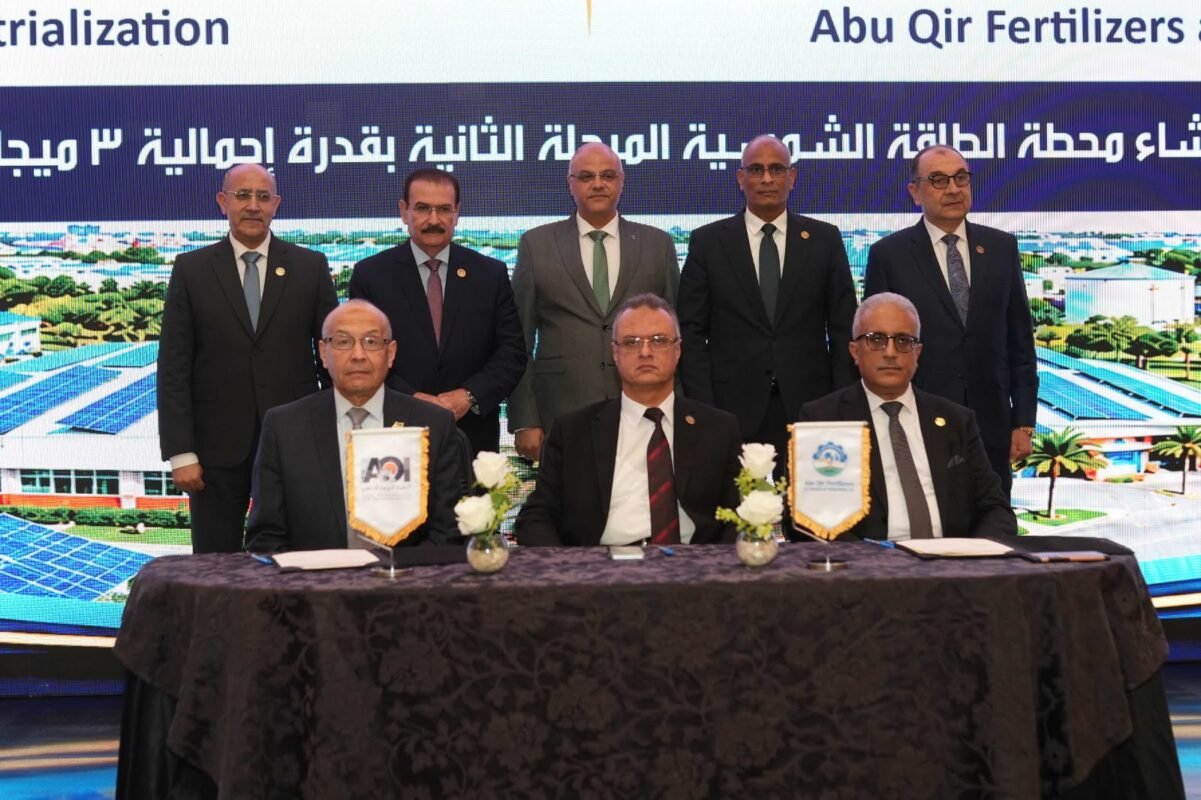
In line with Abu Qir Fertilizers and Chemical Industries Company’s strategy to enhance environmental sustainability, expand the use of clean and renewable energy sources, and improve energy efficiency, the 35th Water Treatment Technology and Energy Efficiency Conference witnessed the signing ceremony of an agreement with the Arab Organization for Industrialization (AOI) for the supply and installation of Phase II of the Company’s solar power stations, with a total capacity of approximately 3 MW, an estimated investment cost of EGP 76.17 million, and a planned implementation period of 12 months.
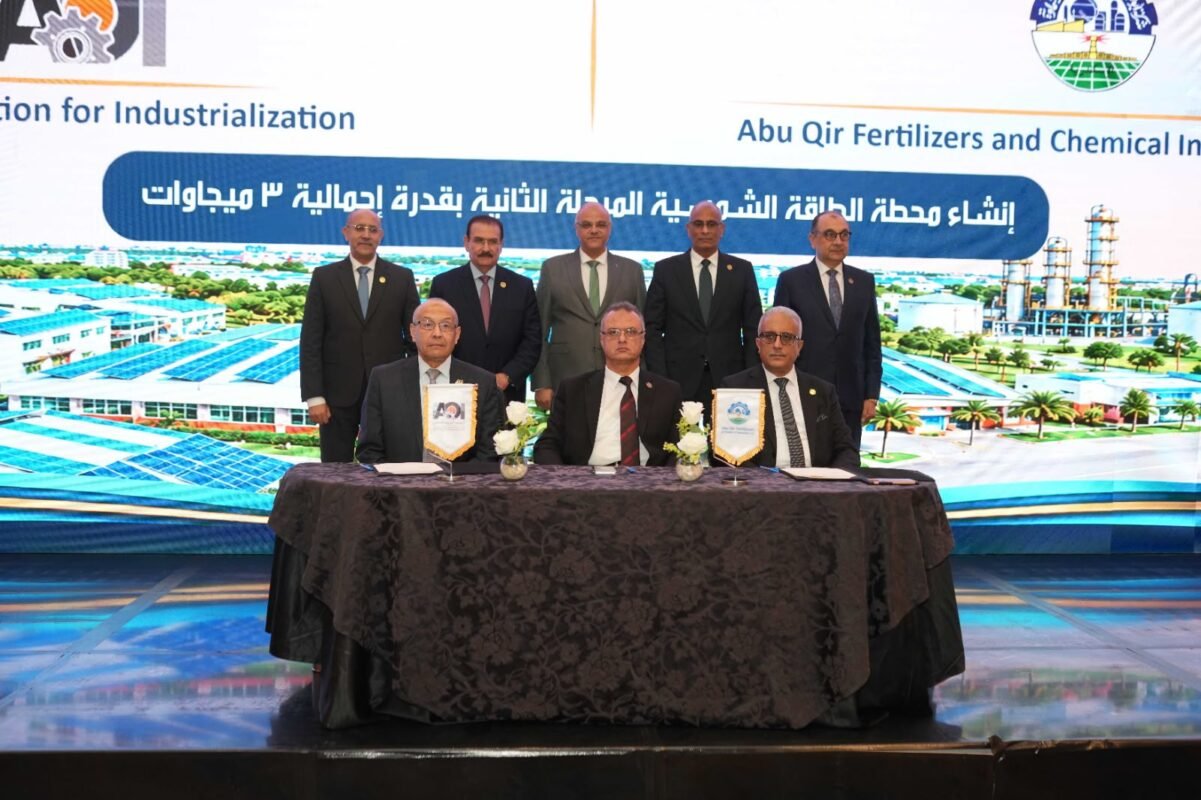
The signing ceremony was attended by Eng. Hany Dahy, Chairman and Managing Director of Abu Qir Fertilizers and Chemical Industries Company; Major General Eng. Mohamed Abdel Fattah Abou Bakr, Chairman of the Arab Organization for Industrialization; Eng. Ayman Attia, Governor of Alexandria; and Eng. Ibrahim Makki, Governor of Kafr El-Sheikh.
This agreement builds on Abu Qir Fertilizers’ ongoing efforts to implement its ambitious plans for transitioning towards clean energy and adopting modern technological solutions that contribute to improving operational efficiency, rationalizing energy consumption, and reducing the carbon footprint of its industrial activities. These efforts are aligned with the Egyptian state’s direction towards transitioning to a green economy, achieving the Sustainable Development Goals, and realizing Egypt Vision 2030.
The implementation of this project is also consistent with the Egyptian state’s policy and the directives of H.E. President Abdel Fattah El-Sisi, President of the Arab Republic of Egypt, regarding diversifying energy sources, expanding new and renewable energy projects, and increasing their share in the national energy mix. This, in turn, strengthens energy security, reduces reliance on conventional energy sources, and supports the country’s efforts towards a green economy and sustainable development.
This strategic direction also contributes to achieving a range of strategic, economic, and environmental objectives, foremost among which are reducing fossil fuel consumption, lowering carbon emissions, improving resource-use efficiency, and reducing energy costs over the long term. Furthermore, it maximizes the utilization of national capabilities in implementing clean energy projects and enhances the competitiveness of Egyptian industry and its ability to meet international environmental requirements and standards.
For his part, Eng. Hany Dahy, Chairman and Managing Director of Abu Qir Fertilizers, expressed his pride in cooperating with the Arab Organization for Industrialization, describing it as one of the leading national industrial institutions. He highlighted the importance of this partnership in supporting the Company’s drive to expand renewable energy applications and leverage national manufacturing expertise and capabilities to implement clean energy projects in accordance with the highest standards of quality and efficiency.
He emphasized that implementing Phase II of the solar power stations project represents an important milestone in the Company’s plan to enhance energy-use efficiency and diversify its energy sources. This will support the sustainability of production operations, reduce dependence on conventional energy sources and lower carbon emissions, while further strengthening the Company’s competitiveness and keeping pace with the latest global practices in sustainable industry.
Arab Renewable Energy Company, an affiliate of the Arab Organization for Industrialization, will undertake the project’s supply and installation works, drawing on its technical expertise and advanced manufacturing capabilities in the field of solar energy projects.
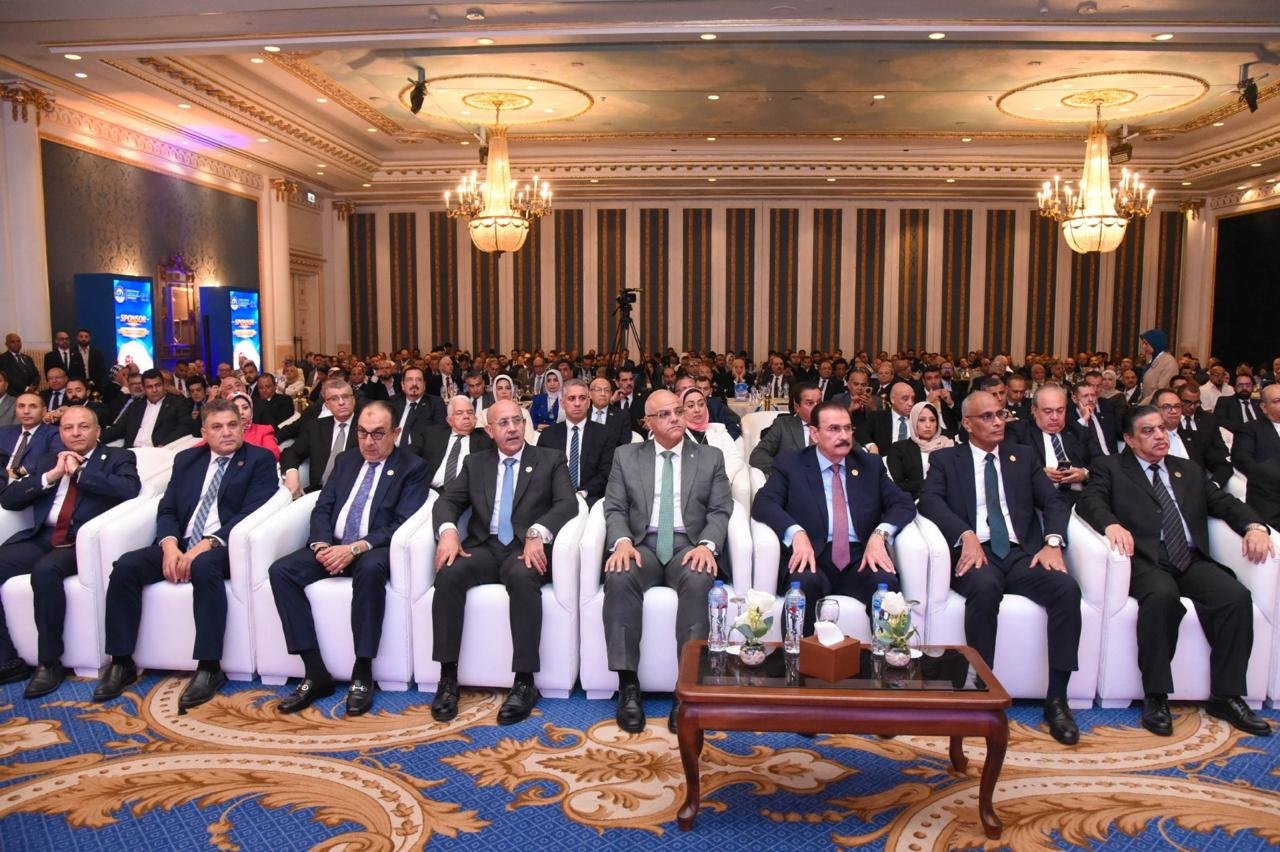
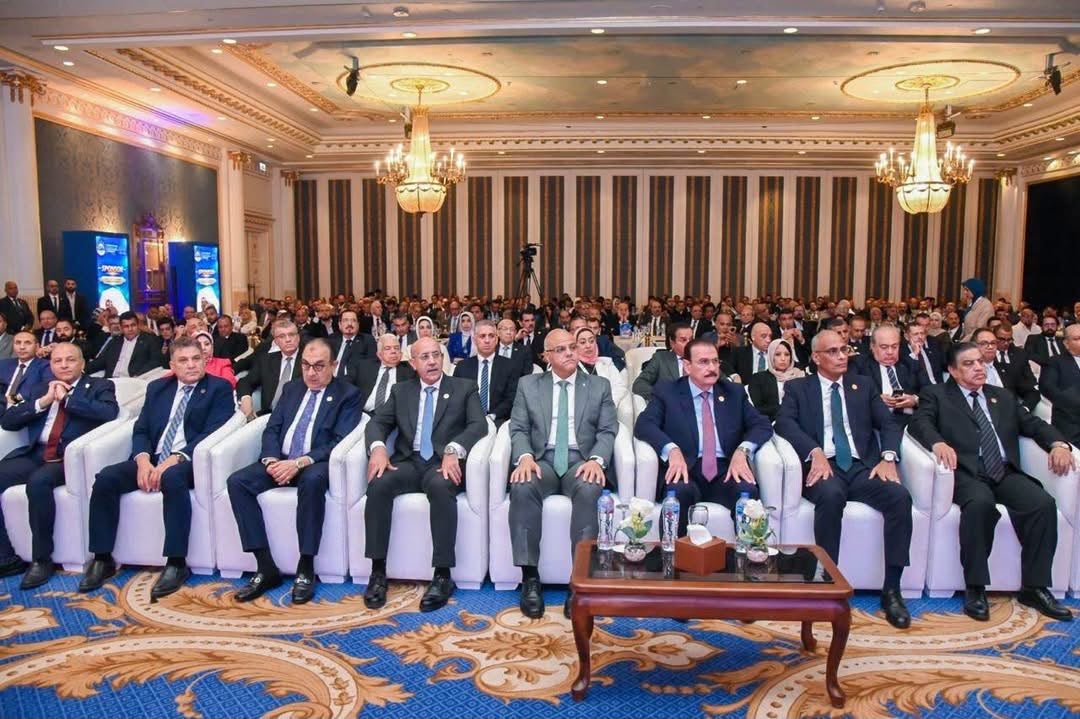
It is worth noting that the agreement was signed during the 35th Water Treatment Technology and Energy Efficiency Conference, organized by Abu Qir Fertilizers under the chairmanship of Eng. Hany Dahy. The conference serves as an important scientific and industrial platform for exchanging expertise and showcasing the latest innovations and technologies in water treatment and energy efficiency.
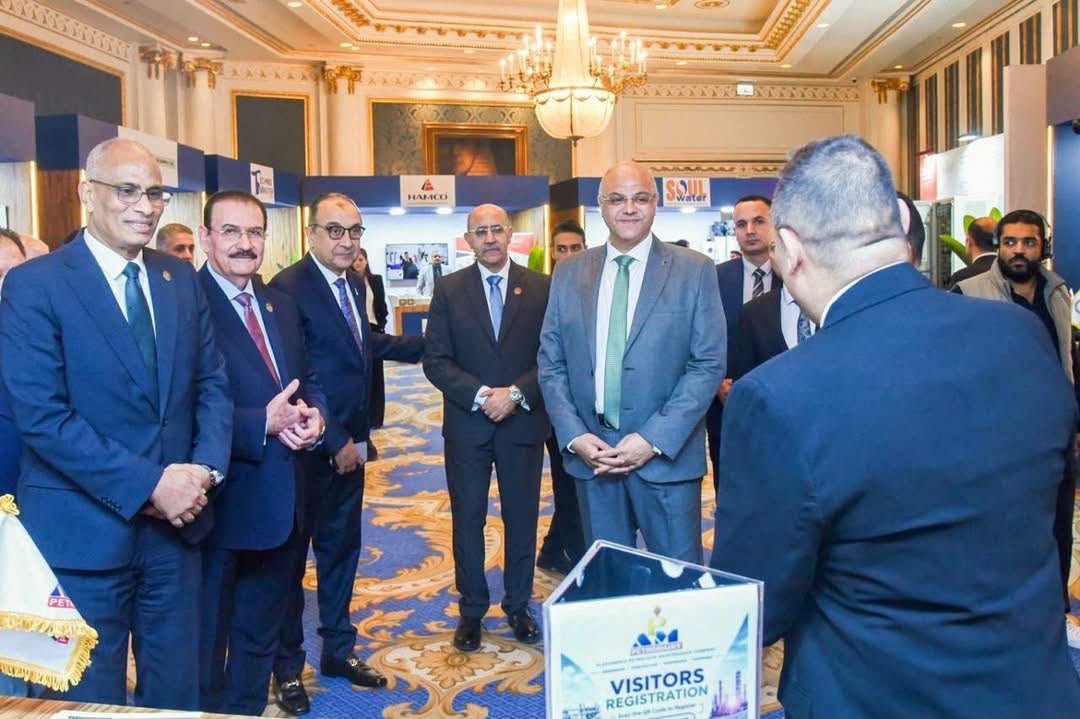
The conference also witnessed the participation of Major General Eng. Mohamed Abdel Fattah Abou Bakr, Chairman of the Arab Organization for Industrialization, who highlighted the importance of integration among national industrial institutions and the exchange of technical and technological expertise. He also noted the participation of AOI factories and companies in water treatment and renewable energy projects through innovative industrial solutions that meet the needs of development and industrial projects.
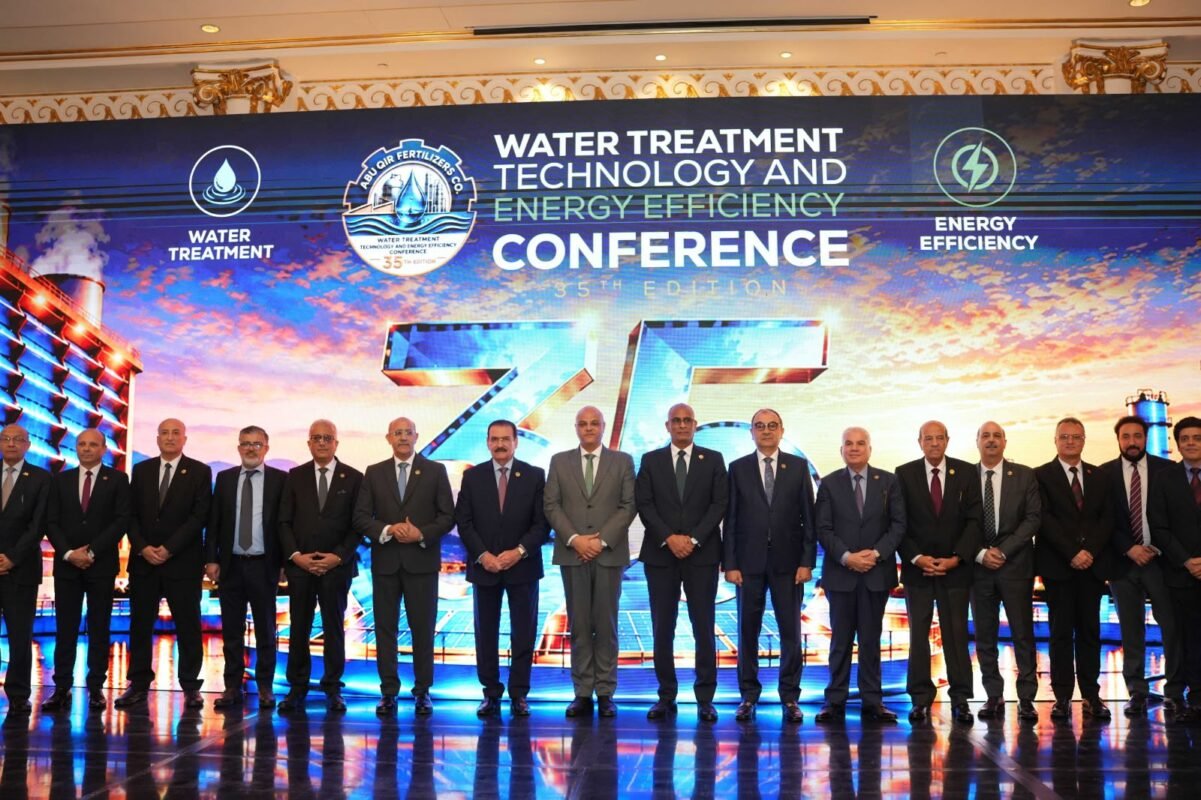
The conference was also attended by Prof. Dr. Hussein El-Atfy, former Minister of Water Resources and Irrigation, Secretary-General of the Arab Water Council, and Executive Chairman of the Conference’s Scientific Committee; Prof. Dr. Hossam Moghazi, former Minister of Water Resources and Irrigation and Chairman of the Technical Advisory Committee for Water Treatment Technology; Eng. Mohamed Sheimy, former Minister of Public Business Sector; Eng. Saad Abou El-Maati, Secretary-General of the Arab Fertilizers Association; in addition to a distinguished group of Chairpersons of committees at the House of Representatives and the Senate, heads of authorities, executive leaders, company chairpersons, university presidents, professors, experts, specialists, and representatives of industrial institutions and research organizations.
Abu Qir Fertilizers and Chemical Industries Company reaffirms its continued commitment to adopting the latest environmentally friendly solutions and technologies and strengthening partnerships with specialized national institutions. These efforts aim to enhance operational performance, reinforce the Company’s position as a model of national industry capable of keeping pace with the requirements of the green transition, and contribute to achieving sustainable industrial development.